
Grandma, It's Me! – How Voice-Cloning Scams Work (and How to Outsmart Them)

Imagine you get a call from your grandchild. They're in trouble. You can hear the fear in their voice. they need money, fast. You’d do anything to help… but what if it wasn’t really them?
Welcome to the latest weapon in the scammer’s toolkit: AI-powered voice cloning. This terrifying tactic is fooling even the most cautious people into sending money to criminals.
But don’t panic. Here’s what’s happening—and what you can do today to stay ahead of the scammers.

What’s the Scam?
Scammers are now using AI to clone voices from just a few seconds of audio, like a TikTok clip or an old voicemail. Then they use that voice to call family members in fake emergencies.
It’s called “vishing” (voice phishing), and it’s shockingly effective.
They might pretend to be:
Your child saying they’ve been arrested.
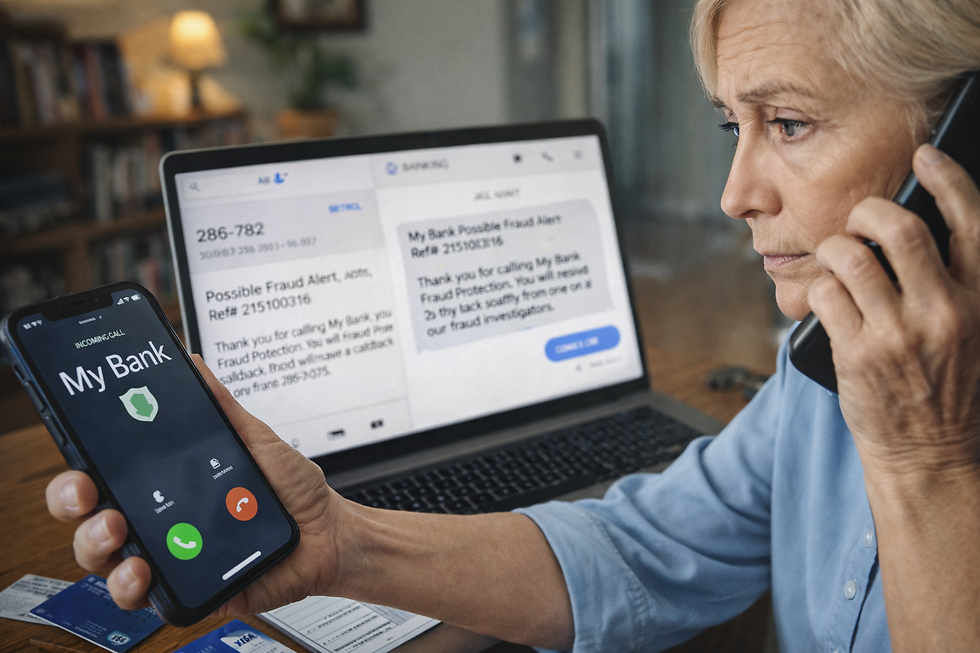
Your bank saying your account is compromised.
The utility company demanding payment.
They’ll pressure you to act fast: send money, read back a security code, click a link. That’s your red flag.
Practical Tips to Protect Yourself
Pause Before Panic
If someone calls with urgent news, hang up. Call the real person back using the number you already know.
Create a Family Code Word
Pick a simple word or phrase only your family knows. If someone calls claiming to be your loved one—ask for it.
Passwords, PINs and One-Time Codes
Never read back a verification code, PIN or password unless you initiated the action yourself.
Spread the Word
Older adults are prime targets. Talk to your family and neighbors about this threat, especially those who live alone.


Comments